Hobbies are often seen as simple pastimes—ways to fill time or relax after a long day. But research increasingly provides rationale that they’re far more powerful than that. For people managing alcohol use disorder (AUD) or substance use disorder (SUD), hobbies can become essential tools for rebuilding mental, emotional, and physical health. They offer structure, a sense of purpose, and even a renewed identity perspective—three things often disrupted during addiction.
We offer a deeper look at why hobbies matter so much, along with examples of meaningful activities that can support long-term recovery and overall well-being.
Why Are Hobbies So Important?
Addiction recovery isn’t just about stopping substance use. It’s also about building a new life. Hobbies help fill the gaps left behind—time, habits, and emotional needs—with something constructive and fulfilling.
Harvard Health notes that engaging in hobbies is linked to greater happiness, fewer depressive symptoms, and improved life satisfaction across large populations. For someone in recovery, these benefits directly counter common relapse triggers such as boredom, isolation, and stress. Here are some examples.
Mental Health Benefits
One of the strongest benefits of hobbies is their impact on the mind. Research shows they help:
- Reduce depression and anxiety symptoms.
- Improve cognitive function and memory.
- Increase focus and problem-solving ability.
For example, a large international study reported by UCLA Health found that people who regularly engage in hobbies report better mental well-being and fewer symptoms of depression. Additionally, mentally stimulating hobbies—such as puzzles, reading, or learning new skills—also help protect against cognitive decline and improve brain function.
For someone in recovery, this is critical. Addiction often disrupts brain chemistry and cognitive processes. Hobbies that challenge the brain help rebuild those pathways, encouraging healthier thinking patterns and decision-making.
Emotional Health Benefits
Hobbies also play a powerful role in emotional healing by:
- Providing a sense of purpose and identity.
- Boosting self-esteem through achievement.
- Helping to regulate emotions and reduce stress.
Creative activities in particular are highly effective. According to research, nearly half of the people who engage in creative hobbies do so specifically to relieve stress and anxiety.
In recovery, emotional regulation is often one of the biggest challenges. Hobbies offer a healthy outlet for processing feelings—whether it’s painting through difficult emotions, writing about experiences, or playing music to shift mood. They also create small, consistent wins. Finishing a project, improving a skill, or sticking to a routine builds confidence—something many people are actively trying to restore.
Physical Health Benefits
Many hobbies also support physical health, which is closely tied to recovery success. You might notice the following benefits:
- Lower risk of chronic diseases.
- Improved sleep.
- Better cardiovascular health.
- Increased energy and mobility.
Physically active hobbies—such as hiking, dancing, or sports—help prevent many medical conditions, including high blood pressure, diabetes, and obesity, while improving overall brain health. Exercise-based hobbies are particularly valuable in recovery because they naturally boost dopamine—your brain’s “reward” chemical—which replaces the artificial highs created by substances.
Social Connection and Loneliness Reduction
Isolation is a major risk factor for relapse. Many hobbies provide built-in social opportunities, such as clubs, classes, or group activities. UCLA Health also notes that hobbies involving social interaction can:
- Reduce loneliness.
- Lower stress and anxiety.
- Improve overall mental health.
Whether it’s joining a book club, taking a cooking class, or participating in group fitness, hobbies help rebuild a support network—something essential for long-term recovery.
5 Unique and Meaningful Hobbies to Try
Not all hobbies are created equal. The best ones for recovery often combine enjoyment, engagement, and growth. Here are some interesting and effective options:
1. Gardening
- Encourages mindfulness and patience
- Provides light physical activity
- Creates a sense of nurturing and responsibility
UCLA Health indicates that studies link gardening to improved mental health and reduced stress, while also supporting cognitive function.
2. Creative Arts
- Helps process emotions safely
- Boosts self-expression and identity
- Reduces anxiety
Pastimes such as painting, music, writing, crafts, and more are especially powerful for stress relief and emotional healing.
3. Outdoor Activities
- Combines physical movement with nature exposure
- Improves mood and reduces stress
- Encourages mindfulness
Nature-based pursuits such as hiking, fishing, birdwatching, and others are known to support both mental and physical health simultaneously.
4. Skill-Based Hobbies
- Build confidence through measurable progress
- Improve focus and discipline
- Provide practical, rewarding outcomes
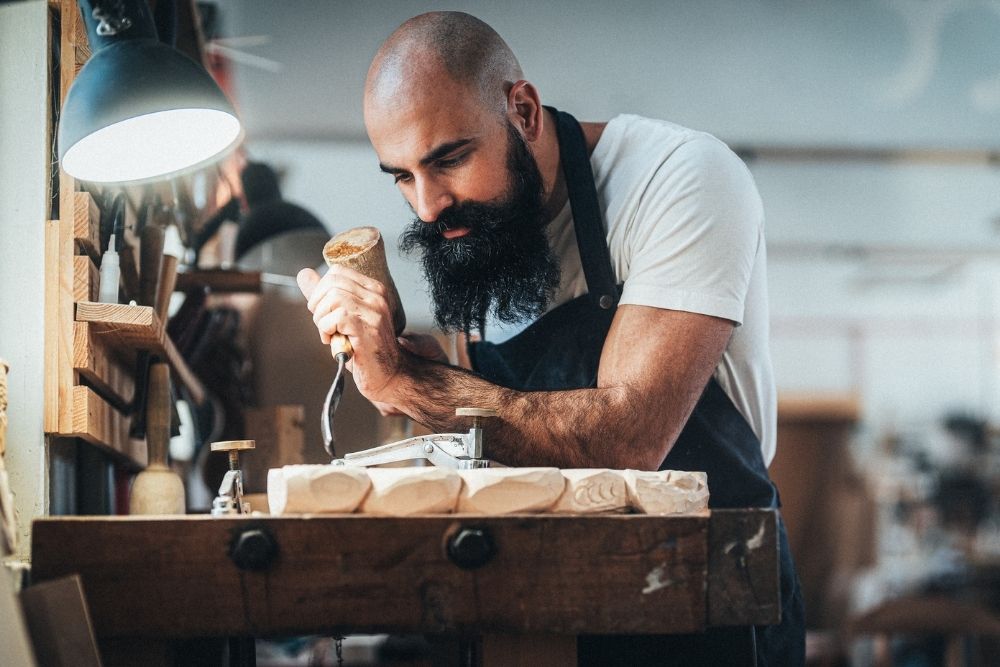
Whether you cook, bake, enjoy woodworking, or participate in another type of hobby requiring particular exactness, they help rebuild a sense of competence and independence.
5. Group Activities
- Strengthen social connections
- Provide accountability and structure
- Reduce feelings of isolation
Team sports, dance classes, and volunteering are just a few examples of different ways to expand community and share purpose.
Ivory Plains: Your Source for Health
For someone in addiction recovery, a hobby is more than a simple distraction. It can be a lifeline—a way to rediscover joy, rebuild identity, and create a life that feels worthy of your presence.
At Ivory Plains’ inclusive addiction rehabilitation program in Adair, Iowa, our board-certified professionals create individualized treatment plans that explore your interests and intentions. Our goal is to improve your mental clarity, stabilize emotions, strengthen the body, and reconnect you with others—and with yourself. Talk to a member of our admissions team today to learn how this philosophy will help you.