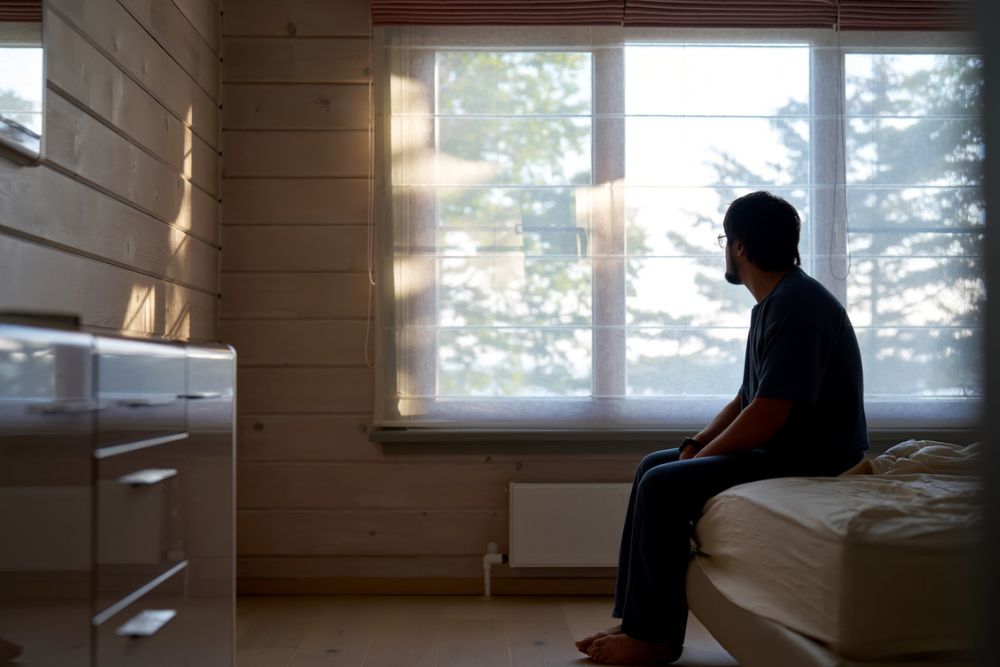
As autumn gives way to winter in Iowa, shorter days and long stretches of gray skies affect more than your plans to spend time outdoors. For some people, this time of year is the root of persistent sadness, low energy, and a loss of interest in activities they usually enjoy.
While the occasional winter slump is common, recurring symptoms that interfere with daily life may signal seasonal affective disorder (SAD), a form of depression linked to seasonal changes. Understanding the difference—and knowing what can help—makes it easier to recognize when you need extra support and take steps toward feeling better.
What Causes SAD?
The condition isn’t simply a reaction to cold weather or a lack of willpower. It involves complex biological and environmental factors:
- Researchers at the University of Iowa and others believe reduced daylight disrupts your internal clock, which helps regulate sleep and wakefulness.
- The Mayo Clinic indicates that seasonal changes may also affect serotonin, a brain chemical involved in mood, and melatonin, a hormone that influences sleep.
- According to the National Institute of Mental Health, a lack of vitamin D produced by sunlight may also play a role in the development of SAD.
Anyone can develop the condition, but some people face a higher risk. It’s more common among:
- Women
- Younger adults
- People with a personal or family history of depression or bipolar disorder
Living farther from the equator is another factor because winter daylight is more limited. Iowans know this all too well. Shorter days combined with colder temperatures and icy conditions make outdoor activities less appealing and reduce opportunities for social connection, which heightens the effects of SAD.
What Are the Common Symptoms of Seasonal Affective Disorder?
Winter-pattern SAD (yes, there’s a summer version, too!) frequently affects your mood, energy, appetite, sleep, and desire to connect with others. Here are some key warning signs:
- Persistent sadness. Feeling down, hopeless, or unusually low for much of the day.
- Loss of interest. Losing enthusiasm for hobbies, activities, or relationships you usually enjoy.
- Low energy. Feeling fatigued or sluggish, even after resting.
- Oversleeping. This includes staying in bed longer than usual or finding it difficult to get up in the morning.
- Difficulty concentrating. Struggling to focus, make decisions, or complete everyday tasks.
- Increased appetite and carbohydrate cravings. Feeling hungrier than usual, particularly for bread, pasta, sweets, and other carbohydrate-rich foods.
- Social withdrawal. Avoiding friends, family, or activities and preferring to spend more time alone.
Experiencing an occasional low-energy day during an Iowa winter doesn’t necessarily mean you have SAD. However, if several of these symptoms recur around the same time each year, persist for more than two weeks, or interfere with your daily life, consider speaking with a healthcare professional.
5 Practical Ways to Feel Better During Iowa’s Darker Months
You cannot control the weather, but you can create a daily routine that supports your mood and energy.
1. Make Daylight a Daily Priority
While Iowa winters make staying indoors tempting, get outside whenever possible, even for a short walk around the block or a few minutes outdoors during lunch. On sunny days, consider moving errands or activities earlier to take advantage of available light. If the weather is poor, sit near a bright window while working or eating breakfast.
2. Consider Light Therapy
A light therapy box helps some people with winter-pattern SAD. Treatment commonly involves a UV-filtered device delivering 10,000 lux for around 30–45 minutes in the morning. Ask a healthcare professional about appropriate use before starting, particularly if you have bipolar disorder, eye conditions, or take medication that increases light sensitivity. Ordinary indoor lighting may not provide the intensity used in clinical light therapy.
3. Keep a Consistent Routine
Aim to wake up and go to bed at similar times, eat balanced meals, and make time for regular physical activity. Maintaining these habits can help support your energy, sleep, and mood during the Hawkeye State’s darker months. When cold weather makes outdoor exercise difficult, try an indoor workout, follow an exercise video at home, or walk through a local shopping center to keep moving.
4. Protect Your Social Connections
Schedule coffee with a friend, join a class, plan a family dinner, or arrange regular phone calls. When your mood dips, withdrawing may feel easier, but staying connected provides valuable emotional support.
5. Track Your Seasonal Patterns
Keep notes on your mood, sleep, energy, and activities. Recognizing when symptoms begin allows you to prepare earlier in future years and get an appropriate assessment rather than waiting until they become unmanageable.
Turn to Ivory Plains for More Quality Care
If seasonal changes are affecting your mood, making sobriety more difficult, or increasing the urge to rely on alcohol or other substances, take the first step today and reach out for specialized care. At Ivory Plains’ inclusive addiction rehabilitation program in Adair, Iowa, our board-certified professionals offer a whole-person treatment philosophy that offers many solutions for your mind, body, and spirit. With the right support, you’ll protect your sobriety, strengthen your emotional wellbeing, and approach each season with greater confidence. Ask a member of our admissions team how we can help you.