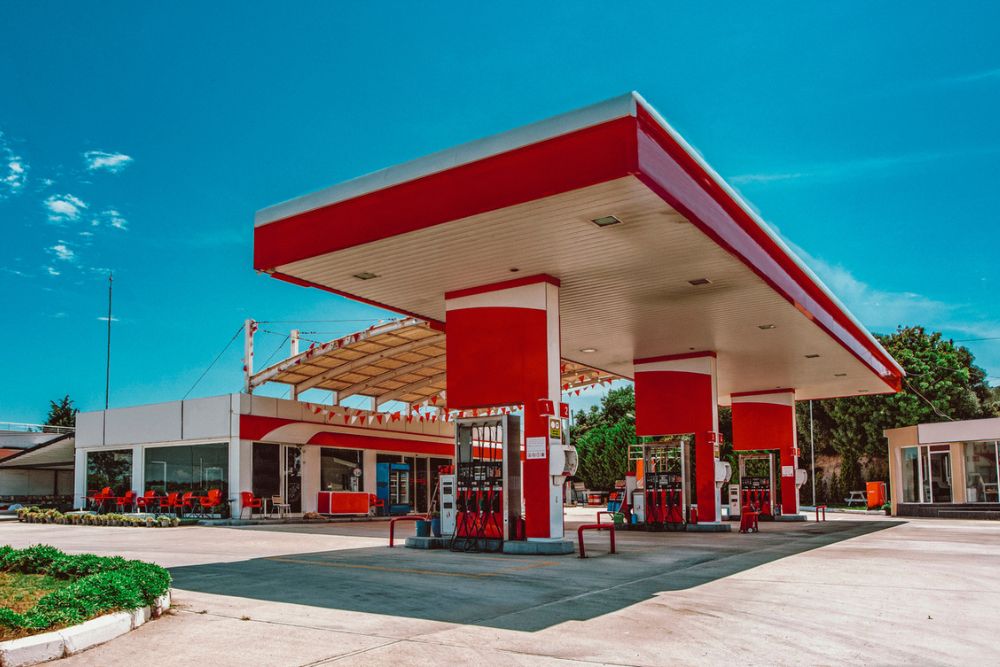
A brightly packaged capsule, powder, or liquid sold at a retail store seems far removed from the image most people associate with an addictive drug. Yet tianeptine—commonly referred to as “gas station heroin”— is capable of producing euphoria and other opioid-like effects, and people who use it repeatedly can develop dependence and difficult withdrawal symptoms.
What Is Tianeptine?
The drug was discovered in the 1960s by French researchers and patented by the French Society for Medical Research. Developed as a tricyclic antidepressant, it’s marketed as a prescription medication in several countries.
In recent years, tianeptine has increasingly been sold in the U.S. outside the regulated medical system, contributing to its reputation as “gas station heroin.” However, it hasn’t been approved by the U.S. Food and Drug Administration (FDA) for medical use in America.
How Is Tianeptine Sold and Used?
The drug is marketed for purposes ranging from mood enhancement and improved energy to pain relief and increased focus. Products containing tianeptine have been sold under names such as:
- Pegasus
- Neptune’s Fix
- TD Red
- Tianaa or Tianna
- Tianna Red, Green, or White
- ZaZa
Tianeptine may also appear as tianeptine sodium or tianeptine sulfate.
People may take tianeptine recreationally because larger amounts produce feelings of relaxation and euphoria. Others may use it while attempting to manage depression, anxiety, chronic pain, or opioid withdrawal.
This can be especially dangerous when someone assumes that something marketed as an herbal supplement sold in a retail store is inherently safe. The FDA has found that some of these products may contain additional ingredients that aren’t clearly disclosed on their labels, and has linked them to serious adverse effects, overdoses, and deaths.
Why Can Tianeptine Be So Addictive?
Although originally classified as an unusual antidepressant, researchers discovered over time that the drug also interacts with the brain’s mu-opioid receptors, contributing to opioid-like effects and potential for misuse. This is the same receptor system affected by drugs such as fentanyl, heroin, and morphine—and another reason for the nickname “gas station heroin”.
The FDA has reported U.S. cases involving daily amounts many times greater than typical labeled doses used internationally. Repeated high-dose exposure to an opioid-active substance causes the body to adapt. A person may gradually develop tolerance: meaning the same amount no longer produces the desired effect. This cycle can be particularly difficult for people with a previous history of opioid addiction. The Partnership to End Addiction notes that people with opioid use disorder or a history of opioid dependence may be particularly vulnerable to misusing tianeptine.
What Are the Dangers of Tianeptine?
Tianeptine poisoning can cause serious and potentially life-threatening effects, particularly when large amounts are consumed or when the drug is combined with other substances.
- Extreme drowsiness or sedation
- Confusion or agitation
- Nausea and vomiting
- Increased heart rate or blood pressure
- Seizures
- Loss of consciousness
- Slowed or stopped breathing
- Coma
- Death
What’s Tianeptine’s Legal Status in Iowa and the U.S.?
Iowa health professionals have identified tianeptine as an emerging recreational substance because it’s easily accessible through retail locations and online sellers. However, unlike a similar drug, kratom, currently there isn’t state legislation in process for banning it.
Federally, the legal situation is changing. On July 8, 2026, the U.S. Drug Enforcement Administration published a proposed rule to place tianeptine in Schedule I of the Controlled Substances Act. The proposal states that tianeptine has a high potential for abuse, has no currently accepted medical use in treatment in the U.S., and lacks an established safety profile for medical use.
It’s important to note this is a proposed rule, not a finalized federal scheduling decision. The proposal would impose Schedule I controls if it becomes final and make tianeptine illegal throughout the country.
Why Is Professional Tianeptine Treatment Often Necessary?
Quitting “gas station heroin” is often much more complicated than simply deciding not to use it. Someone who develops physical dependence may experience powerful withdrawal and cravings after stopping, creating a strong incentive to resume taking the drug. Supervised clinical care offers several important advantages.
Medical Support
Addiction specialists evaluate the severity of dependence, provide monitored detoxification to manage withdrawal, and address complications that may arise during the early stages of recovery.
Treatment for Underlying Issues
Some people begin using tianeptine to cope with depression, anxiety, pain, trauma, or another substance-use disorder. Treating those underlying concerns is an important part of preventing relapse.
Ongoing Recovery Support
Depending on a person’s needs, evidence-based tianeptine treatment may also include:
- Residential treatment
- Outpatient addiction treatment
- Behavioral therapy
- Peer and family support
- Continuing care and relapse-prevention planning
Find Quality Care at Ivory Plains
“Gas station heroin” is a nickname, not a chemical description—but the risks behind the name are real. For people who have become dependent on tianeptine, withdrawal can be severe, and the contents of unregulated products may be unpredictable; seeking qualified addiction treatment helps break the cycle of use safely.
At Ivory Plains’ inclusive addiction rehabilitation program in Adair, Iowa, our board-certified professionals offer a comprehensive level of individualized care. We offer a safe and welcoming environment where you can heal physically, mentally, and emotionally. If you or a loved one realizes that now is the time for better health, our admissions team can answer all your questions about how to move forward.