
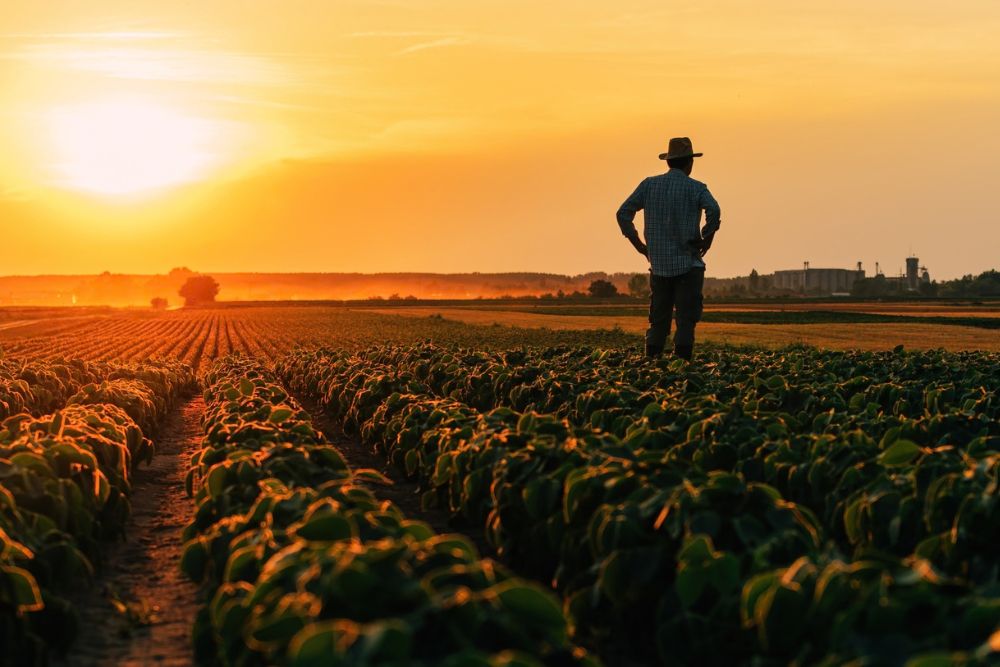
Farming is more than a job. For many producers, it’s a family legacy, a source of identity, and a way of life. But that connection can also make farm-related challenges feel deeply personal. Financial uncertainty, unpredictable weather, long hours, and isolation place enormous pressure on farmers and their families.
When it all becomes overwhelming, some farmers may develop an addiction or an ongoing struggle with substance use disorder (SUD), alcohol use disorder (AUD), or mental health disorders (MHD), including depression and anxiety. Understanding these challenges is the first step toward finding the right support.
Why Are Farmers Especially Vulnerable to These Conditions?
Agriculture comes with stressors that are often outside a farmer’s control. Iowa Farm Bureau notes numerous circumstances affect a farm’s financial stability, including, but not limited to:
- Commodity prices
- Input costs
- Interest rates
- Environmental events
- Livestock health
- Equipment failures
- Crop yields
Farmers also frequently work long hours, particularly during planting and harvest. Fatigue and limited opportunities to step away from the operation make it difficult to prioritize sleep, relationships, exercise, and medical care. They may also feel an extreme sense of isolation or loneliness.
Rural communities may also have fewer behavioral health professionals and treatment options. Iowa State University Extension and Outreach reports that farmers and their families can also face barriers including cost, access, appointment wait times, and a shortage of mental health professionals in Iowa.
There’s often an expectation that farmers should handle problems on their own, and that asking for help seems like admitting weakness or failing the family. However, Iowa Farm Bureau emphasizes that seeking help during a crisis or period of significant stress is a sign of strength—not weakness.
For some people, alcohol or drugs initially seem like a way to cope with stress, physical pain, anxiety, depression, or sleeplessness. Over time, however, substance misuse creates additional problems involving health, relationships, finances, safety, and the ability to manage the farm. MHD, AUD, and SUD can also occur together, making professional assessment and comprehensive treatment especially important.
How Can You Help a Farmer Who Might Be Struggling?
Changes in behavior are often warning signs. An individual may:
- Become increasingly isolated
- Lose interest in activities
- Experience notable changes in sleep or mood
- Drink more frequently
- Misuse prescription medications
- Have difficulty managing responsibilities
Family members, friends, employees, and neighbors all have an important role by noticing these changes and starting a compassionate conversation. The goal isn’t to diagnose a person or lecture them. Sometimes, a simple inquiry such as, “Hey, I’ve noticed you seem overwhelmed lately. How are you doing?” can open the door to assistance and quality care.
What Helpful Resources Are Available for Iowa Farmers?
A symbol of American ingenuity, these professionals are often the first to step up when someone else is in trouble. They lend a hand to a neighbor, check on a friend, help a family member through a difficult season, and show up when their community needs them most.
But even the strongest people benefit from individual support sometimes. There’s no reason to carry stress, substance use, or mental health challenges alone. Here are some resources available to everyone in the rural community.
Iowa’s Center for Agricultural Safety and Health
A collaboration between four state institutions, the organization provides specific stress and mental health outreach, injury prevention information, pain management recommendations, and more. For immediate assistance, it recommends calling or texting the 988 Lifeline or the Veterans Crisis Line: 988, then press 1.
Iowa Concern
Created during the 1980s farm crisis, this resource offers no-cost, confidential support to help Iowans navigate stress, financial challenges, and crisis situations. Whether you need someone to talk to or help finding the right resources, confidential, trained assistance is available 24/7. Call or text 800-447-1985 or visit the website for email and live chat options.
Iowa Farm Bureau’s Farm and Rural Stress Support
The agency’s partnership with Personal Assistance Services provides additional options for farmers and farm families. They can access free, ongoing, one-on-one counseling, online peer support, multiple resources through the Farm Family Wellness Alliance, and more. Call 833-999-FARM (3276).
Your Life Iowa
A division of the Department of Health and Human Services, this organization helps people dealing with SUD, AUD, MHD, gambling, suicidal thoughts, and other challenges. Confidential connections are available anytime, day or night. Call 855-581-8111, text 855-895-8398, or start a live chat online.
Ivory Plains Will Help You, Too
Reaching out isn’t a sign of weakness. It’s another way of taking care of yourself, your family, and the people and farm that depend on you. If you’re struggling, help is available—and you deserve the same care you so readily give to others.
At Ivory Plains’ inclusive addiction rehabilitation program in Adair, Iowa, our board-certified professionals know the challenges you face and also recognize how much courage it takes to put aside your responsibilities and prioritize yourself. However, we believe that with the right evidence-based guidance and tools to help maintain your wellbeing, you’ll thrive once again. We offer detoxification, partial hospitalization, and residential services to provide a clear path. Contact our admissions team today to learn how we can help.